
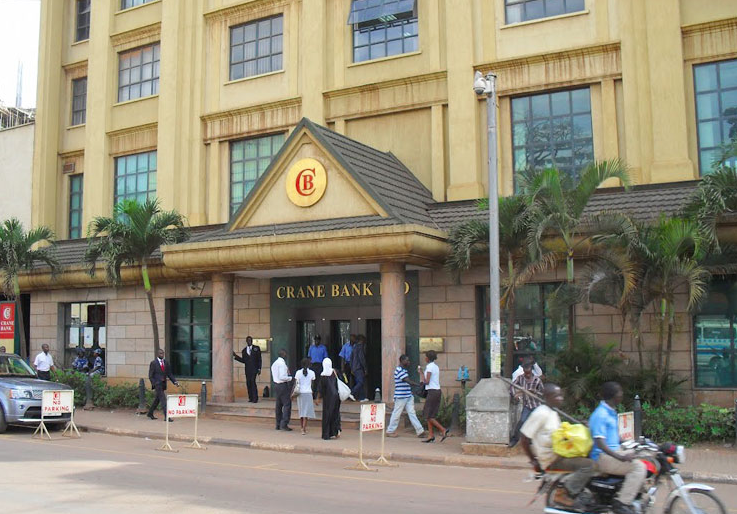
KAMPALA — The legal battle surrounding the collapse and takeover of Crane Bank has expanded further in the United Kingdom, with businessman Sudhir Ruparelia and other former shareholders seeking at least €200 million (about Shs889 billion) in damages from parties linked to the bank’s takeover.
The case is before the High Court in London and involves Rabobank and some of its former executives, adding another dimension to a dispute that dates back to Bank of Uganda’s intervention in Crane Bank in 2016.
Crane Bank was placed under statutory management by Bank of Uganda in October 2016, before selected assets and liabilities were transferred to dfcu Bank in January 2017. The transaction has since triggered years of legal proceedings in both Uganda and the UK.
Ruparelia and the other claimants argue that Crane Bank was taken over through an unlawful process and that the subsequent transfer of its assets and liabilities to dfcu did not properly reflect the value they believe the bank held.
According to court documents, the claimants allege that Bank of Uganda, dfcu and other defendants were involved in a scheme that led to the loss of Crane Bank and financial harm to its former shareholders. These claims remain allegations before the court and have not been established as facts.
The former shareholders are seeking at least €200 million in compensation, while the proceedings are also examining the circumstances surrounding the valuation and eventual transfer of Crane Bank.

Rabo Partnerships B.V., an entity associated with Rabobank, is among the defendants in the proceedings. Its involvement means the London case extends beyond the original dispute involving Crane Bank’s former owners, Bank of Uganda and dfcu to include parties linked to the Dutch banking group.
Founded by Ruparelia in the 1990s, Crane Bank grew into one of Uganda’s prominent indigenous commercial banks before the central bank intervened in 2016.
Bank of Uganda took control of the institution after raising concerns over its financial position. The bank was later placed into receivership, with selected assets and liabilities transferred to dfcu.
According to a Ugandan court record, Bank of Uganda said an independent audit had determined that Crane Bank’s liabilities exceeded its assets at the time of intervention. The central bank subsequently transferred liabilities, including customer deposits, to dfcu in exchange for assets from Crane Bank.
Ruparelia and other former shareholders have continued to challenge aspects of the transaction.
The latest proceedings form part of a wider legal dispute that has gone through several stages in the English courts.
In 2023, England’s Court of Appeal allowed parts of the claim against dfcu and other defendants to proceed after earlier proceedings had faced challenges over jurisdiction. Rabo Partnerships and other entities were among those named as defendants.
The UK Supreme Court later declined applications seeking permission to appeal, allowing the case to move forward.
Since then, the proceedings have involved extensive disclosure and scrutiny of documents. In March 2026, the High Court issued additional rulings relating to disclosure by the parties involved in the case.
Another issue in the wider dispute involves about $27.5 million, which the claimants say was linked to proceeds from the sale of a portfolio of Crane Bank loans.
The claimants have described the circumstances surrounding the payment as part of the alleged wrongdoing connected to the transaction.
The defendants have rejected the allegations and maintained that the transaction and handling of the funds had legitimate explanations.
The court will ultimately be required to assess the competing accounts and determine what is supported by the evidence.
The dispute has consequently grown from a Ugandan banking controversy into a complex international commercial case involving a former Ugandan bank, its former shareholders, dfcu and European financial institutions.
For Ruparelia and the other claimants, the London proceedings offer another avenue to pursue compensation over the loss of Crane Bank.
The defendants, meanwhile, have the opportunity to challenge the allegations and dispute claims that they were responsible for the losses being sought.
The claim currently before the London court is valued at at least €200 million.
The proceedings are expected to involve extensive documentary evidence as the parties present their respective accounts of events surrounding Crane Bank before and after Bank of Uganda’s intervention in 2016.

