
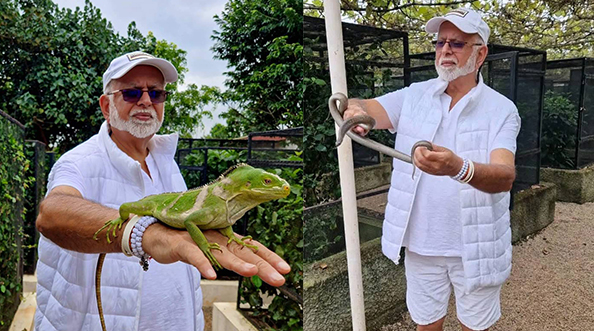
One of Uganda’s leading business figures is leveraging his influence to champion wildlife conservation and protect the nation’s natural heritage.
Dr. Sudhir Ruparelia, a billionaire entrepreneur and chairman of the Ruparelia Group, has emerged as a vocal supporter of safeguarding Uganda’s wildlife. He has been urging both citizens and visitors to explore the country’s wildlife centers and zoological facilities as a way of fostering appreciation and providing direct support for conservation initiatives.
His advocacy highlights the meaningful role that individuals with significant resources can play in preserving the environment for future generations.
Widely known as the “Pearl of Africa,” Uganda boasts some of the continent’s most extraordinary wildlife attractions. From the endangered mountain gorillas of Bwindi Impenetrable National Park to the famous tree-climbing lions of Queen Elizabeth National Park, the country continues to attract tourists from around the world. Yet these natural assets are increasingly threatened by habitat destruction, illegal poaching, and the effects of climate change.
Through his actions, Dr. Ruparelia illustrates how business leadership can contribute to positive environmental outcomes. Rather than remaining silent on ecological challenges, he is actively raising awareness and promoting conservation, demonstrating that economic success can coexist with environmental responsibility.
Many regard Dr. Ruparelia as an example of responsible wealth management. His commitment to wildlife protection also reflects an understanding of the importance of tourism to Uganda’s economy. Wildlife tourism generates revenue, creates employment opportunities, and supports local communities, making its preservation a shared responsibility of both public and private stakeholders.
By encouraging visits to wildlife centers and zoos, Dr. Ruparelia helps educate the public about conservation while supporting institutions that play a crucial role in breeding endangered species, rehabilitating injured animals, and promoting environmental awareness.
His leadership underscores the influence business figures can have in shaping public attitudes toward environmental stewardship. In a region where economic development can sometimes put pressure on natural ecosystems, such advocacy is especially significant.
As Uganda continues to pursue economic growth alongside environmental preservation, leaders like Dr. Ruparelia offer a model for balancing development with sustainability. His example suggests that genuine success is measured not only by financial achievement but also by the lasting, positive impact on society and the natural world. Supporting conservation, he shows, is an essential part of building a sustainable future.
Inspired by this approach, both Ugandans and international visitors are encouraged to support conservation efforts by visiting wildlife parks, sanctuaries, and conservation centers. Experiencing Uganda’s rich biodiversity firsthand helps ensure that these natural treasures are protected for generations to come.
