
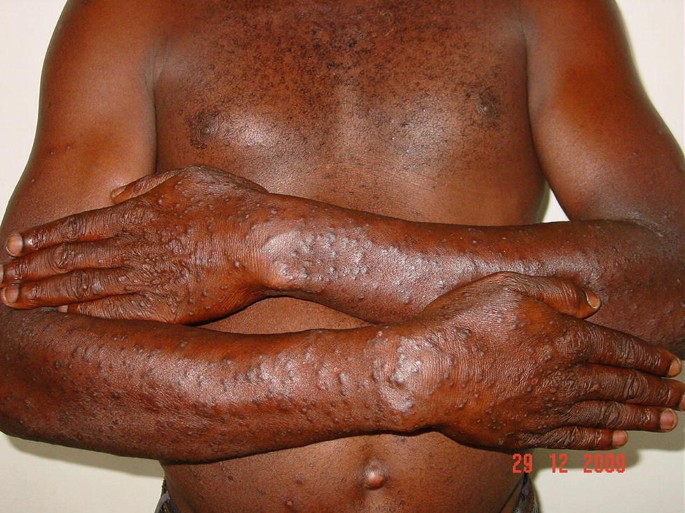
HIV (Human Immunodeficiency Virus) is a virus that targets the immune system, specifically attacking CD4 cells (T-cells), which are crucial for fighting infections. If left untreated, HIV can progress to AIDS (Acquired Immunodeficiency Syndrome), the most advanced stage of HIV infection, where the immune system becomes severely compromised. Early detection through testing is critical for effective management, enabling individuals to begin antiretroviral therapy (ART) to control the virus and maintain a healthy life. However, recognizing potential symptoms can prompt timely testing, especially since HIV symptoms can mimic those of common illnesses, particularly in the early stages. Below is an expanded list of signs that may indicate you are HIV positive, along with additional context to help you understand when to seek medical attention.
1. Acute Retroviral Syndrome (Flu-Like Symptoms)
Within 2 to 4 weeks of HIV infection, many individuals experience a condition called acute retroviral syndrome (ARS), also known as primary HIV infection. This phase occurs as the virus rapidly replicates in the body, triggering an immune response. Symptoms resemble those of the flu or other viral infections and may include:
Fever: A persistent low-grade or high fever that lasts for days or weeks.
Sore Throat: A scratchy or painful throat that doesn’t resolve quickly.
Swollen Lymph Nodes: Tender, enlarged lymph nodes, particularly in the neck, armpits, or groin.
Muscle and Joint Aches: Generalized body aches or discomfort in joints.
Fatigue: Extreme tiredness that interferes with daily activities.
Rash: A red, non-itchy rash, often appearing on the chest, back, or arms, which may look like small, flat spots or bumps.
Headache: Persistent headaches that may accompany other flu-like symptoms.
These symptoms typically last a few days to a couple of weeks and resolve on their own. However, their presence after potential HIV exposure (e.g., unprotected sex, sharing needles, or blood transfusion) warrants immediate testing, as this is a critical window for early diagnosis.
2. Persistent Swollen Lymph Nodes
Lymph nodes are part of the body’s immune system and act as filters for harmful substances. In HIV infection, the virus targets lymphoid tissue, leading to chronic inflammation. This can cause lymph nodes in areas like the neck, armpits, or groin to become swollen, tender, or firm. Unlike swelling from a minor infection, HIV-related lymph node enlargement may persist for weeks or months and is often painless. If you notice prolonged swelling without an obvious cause, consult a healthcare provider.
3. Unexplained Weight Loss
Unexplained weight loss, sometimes referred to as “HIV wasting syndrome,” is a hallmark symptom in the later stages of HIV infection, particularly as the disease progresses toward AIDS. This occurs because HIV affects the body’s ability to absorb nutrients, increases metabolic demands, and may lead to loss of appetite or chronic gastrointestinal issues. Losing more than 10% of body weight without changes in diet or exercise is a red flag and should prompt medical evaluation.
4. Persistent Fever and Night Sweats
Recurrent or prolonged fevers without an identifiable cause (e.g., no flu or infection) can indicate HIV infection. These fevers may be low-grade or spike intermittently. Accompanying night sweats, where you wake up drenched in sweat, are also common, particularly in advanced stages. These symptoms result from the immune system’s ongoing battle against the virus and opportunistic infections that take advantage of a weakened immune system.
5. Chronic Diarrhea
Persistent diarrhea lasting more than a week or recurring frequently can be a sign of HIV, especially in later stages. This may be caused by the virus itself affecting the gastrointestinal tract or by opportunistic infections such as cryptosporidiosis or cytomegalovirus (CMV). Chronic diarrhea can lead to dehydration, malnutrition, and further weight loss, exacerbating other symptoms.
6. Recurrent Mouth Ulcers and Infections
HIV weakens the immune system, making the body more susceptible to infections, including those in the mouth. Common oral symptoms include:
Thrush: A fungal infection caused by Candida, characterized by white patches on the tongue, throat, or inside the cheeks.
Mouth Ulcers: Painful sores that recur or fail to heal.
Gingivitis or Periodontitis: Inflamed or bleeding gums that may be more severe in HIV-positive individuals.
These conditions may persist despite treatment and can significantly affect eating and quality of life. If you notice frequent or severe oral issues, it may be a sign of immune suppression.
7. Chronic Fatigue and Weakness
Persistent fatigue that doesn’t improve with rest can be an early or ongoing symptom of HIV. This is often due to the body’s constant effort to fight the virus, combined with potential anemia or other complications. Fatigue may be accompanied by weakness, difficulty concentrating, or a general sense of feeling unwell, which can interfere with daily activities.
8. Skin Problems
HIV can cause a variety of skin issues due to immune system dysfunction. In addition to the rash seen in acute HIV infection, other skin conditions may include:
Seborrheic Dermatitis: Flaky, red patches on the scalp, face, or chest.
Herpes Simplex Virus (HSV) Outbreaks: Frequent or severe cold sores or genital herpes.
Molluscum Contagiosum: Small, flesh-colored bumps caused by a viral infection.
Kaposi’s Sarcoma: A type of cancer associated with advanced HIV/AIDS, presenting as purple or brown lesions on the skin or mucous membranes.
Persistent or unusual skin changes should be evaluated, especially if they recur or resist treatment.
9. Frequent or Severe Infections
As HIV progresses, the immune system’s ability to fight infections diminishes, leading to frequent or severe opportunistic infections. These may include:
Pneumonia: Particularly Pneumocystis jirovecii pneumonia (PCP), a common AIDS-defining condition.
Tuberculosis (TB): More common in HIV-positive individuals, especially in areas with high TB prevalence.
Fungal Infections: Such as esophageal candidiasis or cryptococcal meningitis.
Recurrent Bacterial Infections: Such as sinusitis or bronchitis.
If you experience frequent infections or illnesses that are unusually severe or slow to resolve, it could indicate HIV-related immune suppression.
10. Neurological Symptoms
HIV can affect the nervous system, leading to symptoms such as:
Cognitive Changes: Difficulty concentrating, memory problems, or confusion, sometimes referred to as HIV-associated neurocognitive disorders (HAND).
Peripheral Neuropathy: Tingling, numbness, or pain in the hands and feet due to nerve damage.
Headaches or Seizures: In advanced cases, particularly if opportunistic infections like toxoplasmosis affect the brain.
These symptoms are more common in later stages but can occur earlier in some cases.
Important Considerations
While these symptoms may suggest HIV infection, they are not specific to HIV and can be caused by a wide range of other conditions, such as viral infections, autoimmune diseases, or stress-related illnesses. The only definitive way to confirm HIV status is through testing, such as:
Rapid HIV Tests: Provide results in minutes using blood or saliva.
Antibody/Antigen Tests: Detect HIV antibodies and antigens, typically within weeks of exposure.
PCR Tests: Detect the virus’s genetic material, useful for early detection.
If you suspect you’ve been exposed to HIV (e.g., through unprotected sex, sharing needles, or occupational exposure), or if you experience any of the above symptoms, seek medical advice immediately. Testing is widely available, confidential, and often free at clinics, community health centers, or through at-home testing kits.
Why Early Detection Matters
Early diagnosis allows individuals to start antiretroviral therapy (ART), which can suppress the virus to undetectable levels, prevent progression to AIDS, and significantly reduce the risk of transmission to others. People living with HIV who adhere to ART can lead long, healthy lives with a near-normal life expectancy. Additionally, if you’re at high risk, consider pre-exposure prophylaxis (PrEP), a preventive medication that reduces the risk of contracting HIV.
When to Seek Help
If you experience persistent or unusual symptoms, particularly after a potential exposure, don’t wait. Contact a healthcare provider, visit a local clinic, or reach out to organizations like the CDC or WHO for guidance on testing and care. Early intervention is key to managing HIV effectively and maintaining your health.
