


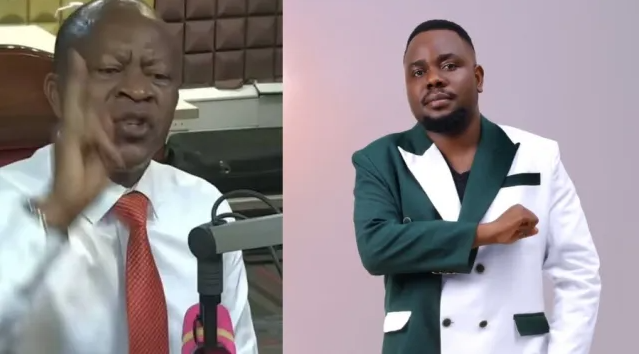
Gashumba first issued the challenge in September, calling on religious leaders who claim to heal people through divine power to demonstrate their abilities in a hospital setting. He says he is ready to stake the money if any religious leader accepts the offer.
He has repeatedly criticised what he describes as fake prophets, pastors and apostles, accusing some of using promises of miracles and healing to attract followers and collect money from believers.
According to Gashumba, religious leaders who claim to possess healing powers should demonstrate them by visiting hospitals and treating patients with serious illnesses.
“No single prophet, pastor, or apostle heals people. Doctors heal people. These pastors have just managed to successfully manipulate you. These are masqueraders. They are even guarded by the army,” he said.
Gashumba also questioned why a self-proclaimed prophet whose church is located near Mulago Hospital does not reportedly use his claimed powers to help patients who die at the facility.
“There’s a so-called prophet with a church in Mulago, but why does he let people die in Mulago? His church is surrounded by coffin-making businesses,” he said.
He added that he was willing to turn the challenge into a formal arrangement, with both sides depositing their money under the supervision of a lawyer agreed upon by both parties before visiting a hospital.
“Don’t bring a cheque; that’s an old newspaper. I want cash. We shall get a neutral ground, a lawyer we can both trust, and we both stake our cash and head to any hospital. I have increased my stake to Shs500m. Let him come with his Shs100m,” Gashumba said.
The challenge follows his continued criticism of religious leaders who attribute healing to divine intervention and ask followers for financial contributions.
Gashumba argues that some church leaders have accumulated wealth through offerings and tithes while many of their followers continue to face financial difficulties. He has also questioned whether the healing powers claimed by some religious figures can be demonstrated when patients are suffering from serious illnesses.
Beyond the challenge, he encouraged Ugandans to maintain their faith while focusing on work, personal responsibility and supporting people in need, rather than depending entirely on religious leaders for financial or spiritual breakthroughs.
“Wake up every morning, say a prayer, and go and hustle. These churches are business-minded. I use what would’ve been my tithe to help the needy. If I ever get to a point of giving it to a prophet to buy a G-wagon, let God take me. If my wife ever attended an overnight prayer, we would split there and then,” he said.
Gashumba’s comments have added to the public debate surrounding faith healing, miracle claims and the financial expectations some churches place on their members.
He maintains that believers should build a personal relationship with God and carefully consider claims made by religious leaders, particularly when promises of miracles are accompanied by requests for money.