
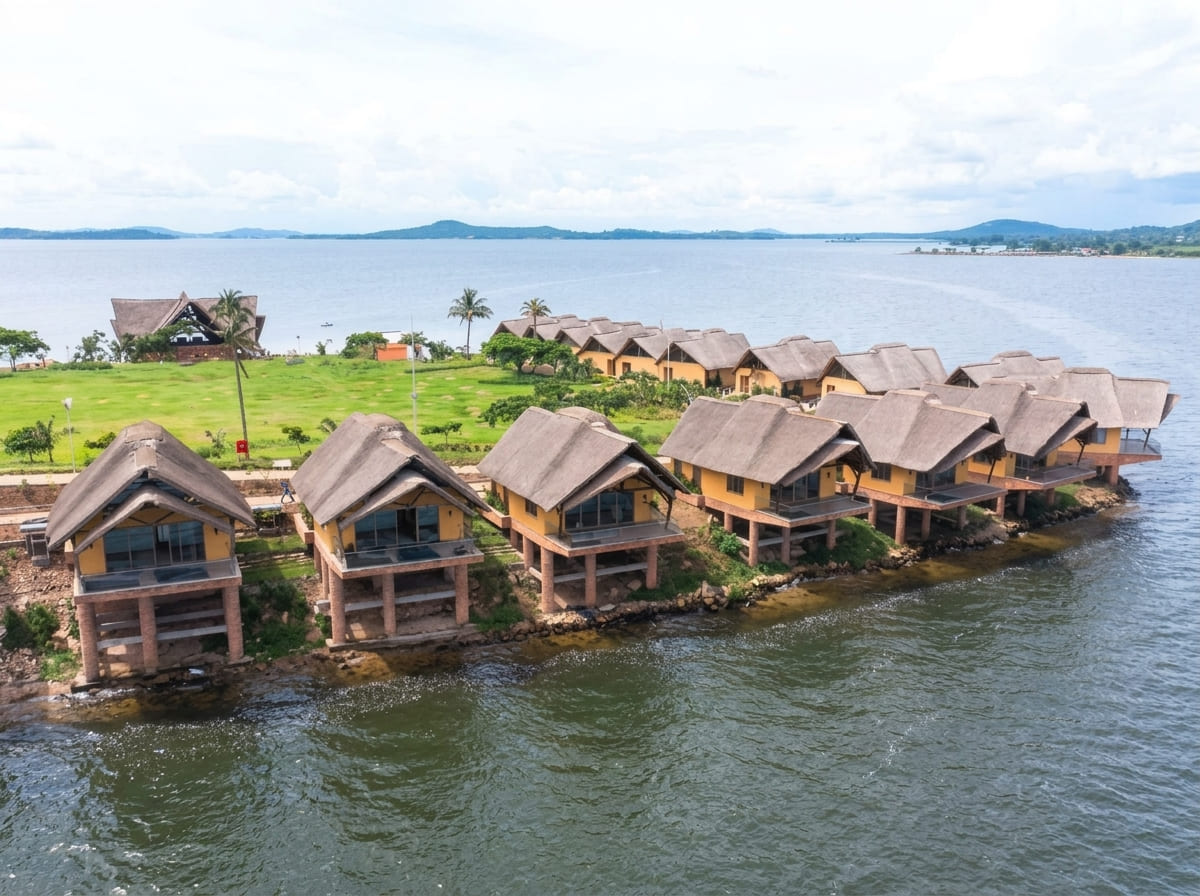
On an island surrounded by the waters of Lake Victoria, Paradise Island Resort is demonstrating how renewable energy can support modern hospitality while preserving the natural environment.
The 19-acre property, owned by the Ruparelia Group, has built its operations around solar power, using renewable energy to meet all its electricity needs without relying on diesel generators.
Located approximately 10 kilometres offshore from Munyonyo, the resort combines accommodation, dining and leisure facilities with an energy system designed to operate independently from the mainland electricity supply.
From guest cottages and executive villas to restaurants, infinity pools and water treatment facilities, the resort’s operations are powered by solar energy supported by storage systems.
For resort director Sheena Ruparelia, this approach is more than an operational choice. It forms part of the property’s identity and its commitment to environmentally conscious hospitality.
She describes Paradise Island as a fully solar-powered eco-lodge, with renewable energy at the centre of its daily operations.
The decision is particularly important given the resort’s location. Visitors travel from Speke Resort Munyonyo by speedboat, with the journey taking approximately 20 minutes. Operating so far from the mainland means the property needs a dependable electricity solution that can support guests and staff throughout the day.
By moving away from diesel generators, the resort also avoids the noise associated with conventional backup power systems and reduces the environmental concerns linked to transporting and storing fuel on an island in Lake Victoria.
Hospitality Designed Around the Natural Environment
Paradise Island Resort has 38 accommodation units, offering visitors different options depending on their needs. These include 10 standard cottages, 11 cliff-hanger suites, 14 two-bedroom deluxe cottages and three executive villas.
Energy efficiency has also been incorporated into the facilities through technologies such as smart LED lighting and low-consumption climate control systems. These measures help manage electricity demand while maintaining comfort for guests.
The resort’s environmental approach was considered from the early stages of its development.
The project was conceived in May 2021 by Sheena Ruparelia and her late husband, Rajiv Ruparelia, with an emphasis on developing a hospitality destination without losing the island’s natural character.
The plans sought to retain existing vegetation, rocky features and the surrounding landscape rather than completely reshape the environment to accommodate tourism infrastructure.
Even the movement of supplies has been adapted to the island’s geography. The resort uses a specially designed flat-bottomed barge to transport goods and other necessities from the mainland.
A Different Approach to Tourism on Lake Victoria
The resort’s operating model comes at a time when environmental sustainability is becoming an increasingly important issue for the global tourism industry.
Hotels and other hospitality businesses are facing growing pressure to reduce energy consumption, limit pollution and adopt practices that minimise their environmental footprint.
For island destinations, these considerations are particularly significant because of their dependence on surrounding natural ecosystems and the logistical challenges of accessing essential services.
Paradise Island Resort’s reliance on solar energy offers an example of how a hospitality business can address some of these challenges while maintaining the facilities expected of a modern leisure destination.
Its location, accommodation options and renewable energy system bring together two important aspects of contemporary tourism: providing visitors with a distinctive experience while paying attention to the environment in which the business operates.
As interest in sustainable travel continues to grow, the resort is positioning itself as an example of how tourism development on Lake Victoria can combine hospitality, renewable energy and the preservation of natural surroundings.

